What STR Guests Actually Look For – 2026 Edition
From amenities to booking behavior, here’s what today’s travelers expect—and what actually drives bookings in 2026.

The short-term rental market has matured. Guests are more experienced, more selective, and far more informed than they were even a few years ago. In 2026, successful vacation rentals aren’t defined by flashy upgrades or trend-chasing—they’re defined by consistency, comfort, and confidence.
For property owners, understanding what guests actually care about is the difference between steady occupancy and frustrating gaps in the calendar. This guide breaks down the key factors influencing booking decisions today, based on guest behavior, platform data, and industry research.
Cleanliness Is the Baseline, Not the Differentiator
Cleanliness used to be a competitive advantage. In 2026, it’s simply the minimum expectation.
Multiple studies show that guests now assume a short-term rental will be clean—and react strongly when it’s not. According to Airbnb’s internal research, cleanliness-related issues are one of the leading causes of negative reviews and refund requests, even when everything else about a stay is positive.
What’s changed is how guests interpret cleanliness:
- A single mention of “dirty” or “not well cleaned” in reviews carries outsized weight
- Guests increasingly read recent reviews only, often ignoring older five-star feedback
- Cleanliness comments impact not just conversion, but listing visibility in search results
Importantly, “clean” no longer means spotless once—it means consistently clean across stays. Inconsistent turnovers, rushed cleanings, or worn linens are far more damaging than owners realize.
Key takeaway: Cleanliness doesn’t win bookings—but lack of it absolutely loses them.
Comfort Beats Luxury (Most of the Time)
While luxury properties certainly have a place, most guests prioritize comfort and functionality over high-end finishes.
Guest surveys from Booking.com and Expedia consistently show that the following matter more than luxury décor:
- Comfortable beds and quality pillows
- Quiet sleeping environments
- Reliable heating and cooling
- Comfortable seating (especially for longer stays)
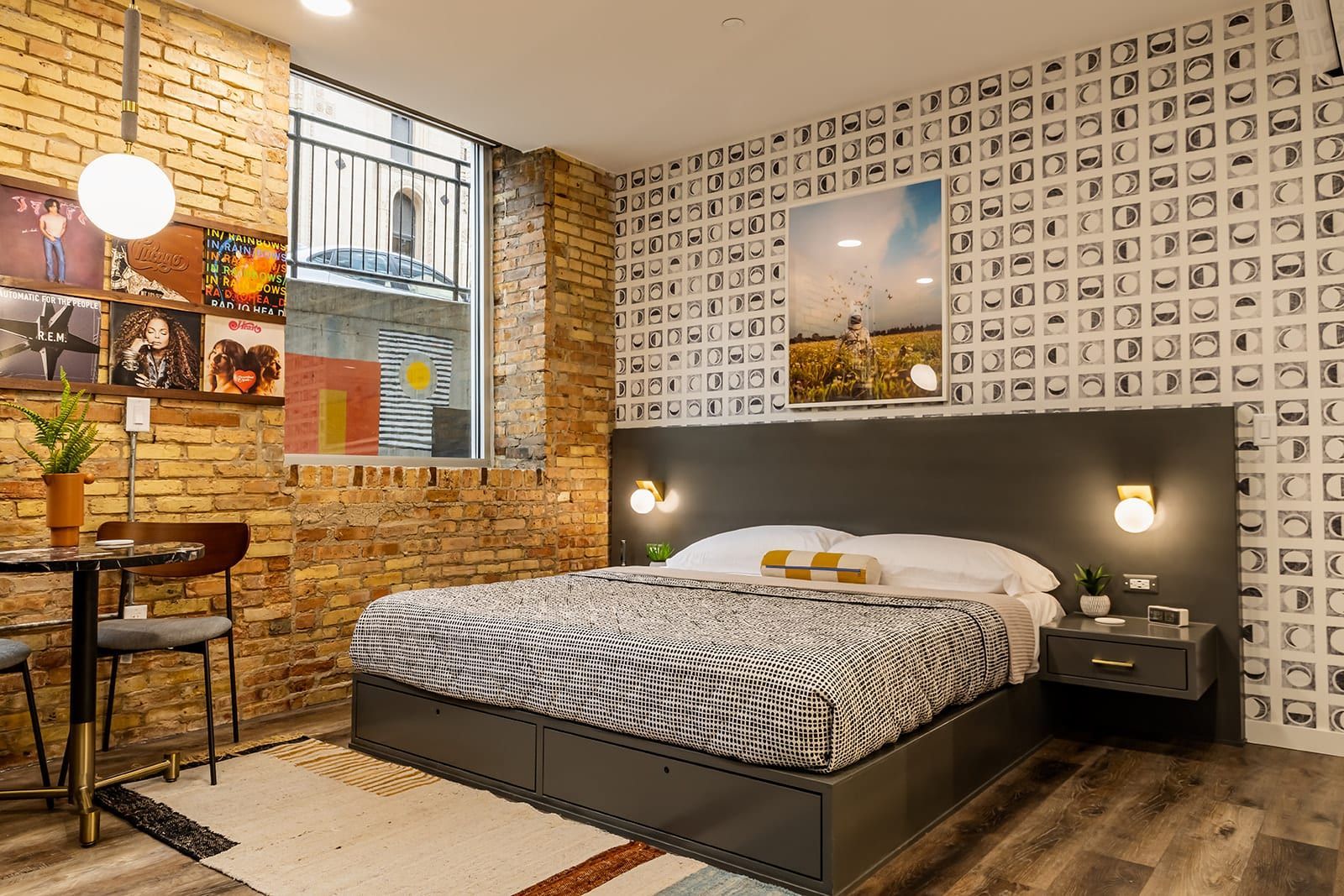
Overdesigned spaces, trendy furniture, or overly stylized décor often photograph well—but they don’t always translate to better reviews. Guests are far more likely to comment on poor sleep, uncomfortable couches, or inconsistent temperatures than on marble countertops or designer lighting.
In other words, guests remember how the space felt, not how expensive it looked.
Key takeaway: Invest first in sleep quality, seating, and climate control before chasing luxury upgrades.
Spaces That Match How People Travel Now
The way people travel has changed—and properties that reflect that change perform better.
In 2026, the majority of STR guests fall into one of four groups:
- Couples and weekend travelers
- Families
- Small groups (friends, weddings, reunions)
- Mid-term or corporate guests
Successful properties are designed with flexibility in mind. That means:
- Dining and seating that actually fit the stated guest count
- Bedrooms that allow for privacy, not just bed count
- Functional common areas where people can gather comfortably
Remote work hasn’t disappeared, either. Even leisure travelers increasingly expect:
- Reliable, fast WiFi
- A place to sit comfortably with a laptop
- Enough outlets and lighting to work if needed
Properties that acknowledge these realities tend to see longer stays, better reviews, and stronger repeat booking behavior.
The Amenity Arms Race: What Actually Matters
Not all amenities are created equal—and many owners overspend on features that don’t meaningfully impact bookings.
High-impact amenities in 2026 include:
- Fast, reliable WiFi (clearly stated in the listing)
- Straightforward parking information
- Outdoor space where applicable (even simple patios or decks)
- In-unit laundry for longer stays
- Smart TVs with easy streaming access
Meanwhile, data shows diminishing returns on amenities like:
- Excessive smart home features
- Overly themed décor
- Long lists of minor or rarely used amenities
Guests are increasingly skeptical of listings that promise everything. They value clarity and reliability over novelty.
Key takeaway: Fewer, well-maintained amenities outperform long checklists of underused features.
Booking Confidence Drives Conversion
In 2026, guests don’t just book places—they assess risk.
Booking confidence is influenced by:
- Accurate, recent photos
- Clear descriptions that match reality
- Transparent house rules
- Honest representation of the property and location
Guests are far less forgiving of surprises than they are of simplicity. A modest property that delivers exactly what it promises will outperform a “luxury” listing that overpromises and underdelivers.
House rules play a role here, too. Rules that feel excessive or adversarial can deter bookings, even if the property itself is appealing. Guests want boundaries—but they also want to feel welcomed, not policed.
Reviews and Response Time Still Matter—But Differently
Reviews remain critical, but how guests use them has changed.
Most guests now:
- Read only the most recent 5–10 reviews
- Scan for patterns, not isolated complaints
- Pay close attention to owner or manager responses
A thoughtful, professional response to a negative review often builds more trust than a perfect rating with no engagement. Guests want to see accountability, consistency, and communication.
Response time also matters beyond messaging platforms. According to Airbnb and Booking.com data, listings with faster response times convert better—especially for last-minute and mid-term stays.
Price Sensitivity Has Changed
Guests in 2026 are extremely price-aware—but not necessarily price-driven.
Rather than simply looking for the cheapest option, guests compare:
- Total value relative to similar listings
- Flexibility (cancellation policies, length-of-stay discounts)
- Reviews versus price point
Dynamic pricing strategies that adjust for seasonality, demand, and booking windows consistently outperform static pricing models. Owners who underprice high-demand periods or overprice slow seasons often leave revenue on the table and hurt conversion.
Key takeaway: Guests want value, transparency, and fairness—not just low prices.
Final Thoughts
In 2026, successful short-term rentals aren’t about chasing trends—they’re about understanding behavior.
Guests want clean, comfortable spaces that work for how they travel today. They want honest listings, fair pricing, and confidence that what they book is exactly what they’ll get. Properties that deliver on those fundamentals consistently outperform those that rely on novelty or overpromising.
At LiveSuites, we analyze guest behavior across hundreds of properties and thousands of stays. That data allows us to guide owners toward decisions that improve reviews, occupancy, and long-term performance—without unnecessary spending or guesswork.
If you’re evaluating how your property stacks up in today’s market, our team is always happy to help.